

‘Artificial Intelligence Has Become the Lifeblood of the Global Economy’
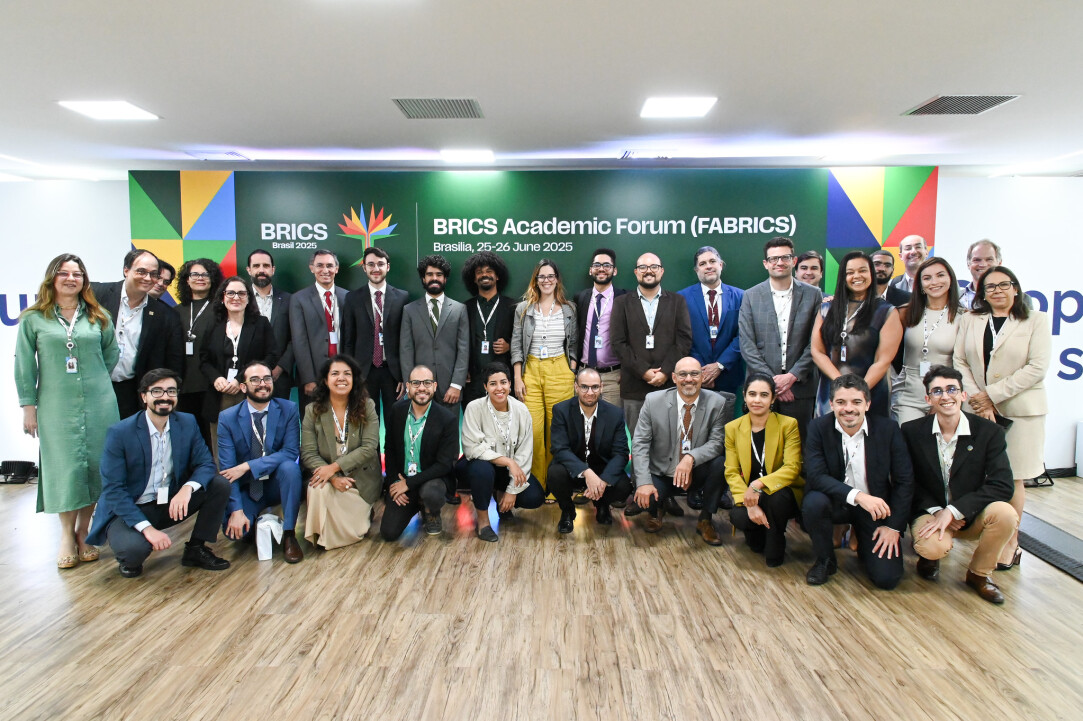
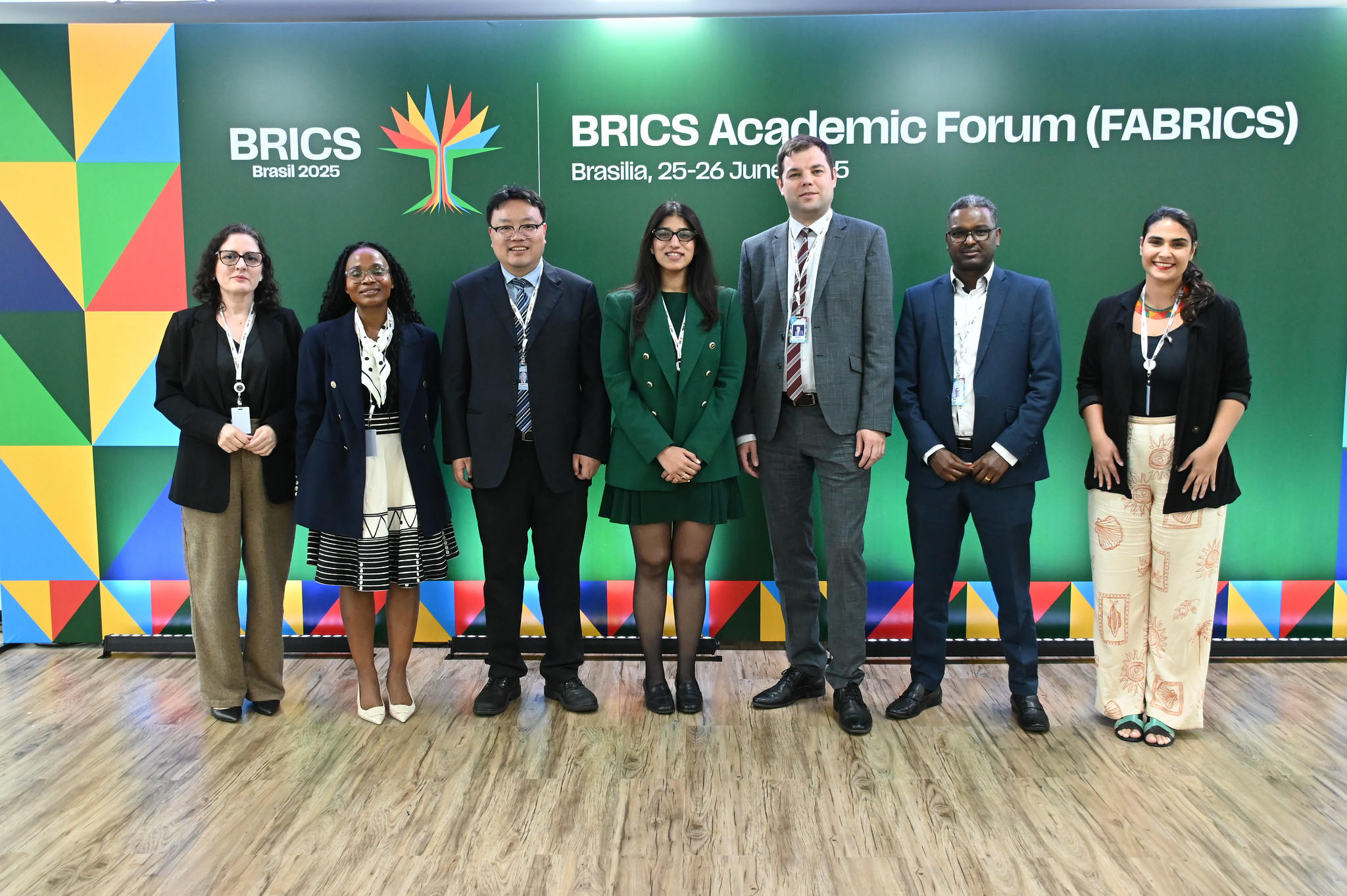
Experts from HSE University took part in the BRICS Academic Forum (FABRICS) held in the capital of Brazil this year. The main theme of the event was to discuss cooperation among countries in the Global South amid geopolitical turbulence and rapid technological change. Academics and experts from BRICS member states and partner nations explored topics such as global healthcare, AI technologies, trade, climate change, and reform of the multilateral global security and governance architecture.
The Academic Forum, held on June 25 and 26, 2025, served as a platform for open dialogue and the development of joint initiatives aimed at strengthening the role of the BRICS countries on the global stage.
The forum opened with a welcoming address from Victoria Panova, Vice Rector of HSE University, Head of the BRICS Expert Council–Russia, and Russia’s Sherpa in the W20. She emphasised that over the past 17 years, the Academic Forum has become a vital platform for dialogue, problem-solving, and collaborative intellectual efforts.

Victoria Panova
‘We are living in an era where questions of peace and sustainability are becoming decisive. The BRICS countries have already demonstrated their capacity for coordinated action, including in response to recent international crises. As an academic community, we are not only obliged to analyse what is happening, we must also articulate the principles on which a new model of global cooperation can be built,’ noted the HSE Vice Rector.
Victoria Panova cited forecasts suggesting that by 2030, the Global South’s share of the world economy will exceed 57%, and trade between countries in the region may reach 14 trillion US dollars. She also presented results from the first comprehensive analysis of how the BRICS countries are fulfilling their own commitments, conducted in 2024 with the participation of the Council of BRICS Expert Centres. Victoria Panova announced plans to make this type of research a regular practice, alongside the creation of a BRICS digital document repository—a unique resource for scholars and practitioners that will bring together all of the grouping’s key materials since its inception.
At a session on AI governance, Konstantin Vishnevskiy, Director of the Centre for Strategic Analysis and Big Data at the HSE Institute for Statistical Studies and Economics of Knowledge, and an expert with the BRICS Expert Council–Russia, delivered a presentation. He noted that ‘artificial intelligence has become the lifeblood of the global economy,’ with the global AI market approaching 640 billion US dollars and continuing to grow rapidly.
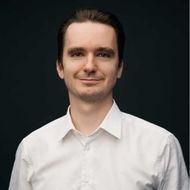
Konstantin Vishnevskiy
‘Almost every second AI solution is being developed in the BRICS countries or for their markets. This highlights the bloc’s immense technological potential. However, it is not only about competing in the global race—we must also set the principles upon which global AI governance will be built,’ he said. ‘We must ensure that technological development is ethical, fair, and inclusive. AI must not become the cause of new digital inequality—on the contrary, it can and should be a tool for levelling the playing field, especially for countries in the Global South.’
The expert also spoke about the upcoming launch of an international AI foresight initiative in 2025, which was commissioned by the President of Russia. HSE University is serving as the methodological lead for this project, coordinating the joint efforts of researchers, public institutions, and businesses to define priorities for both fundamental and applied research in the field.
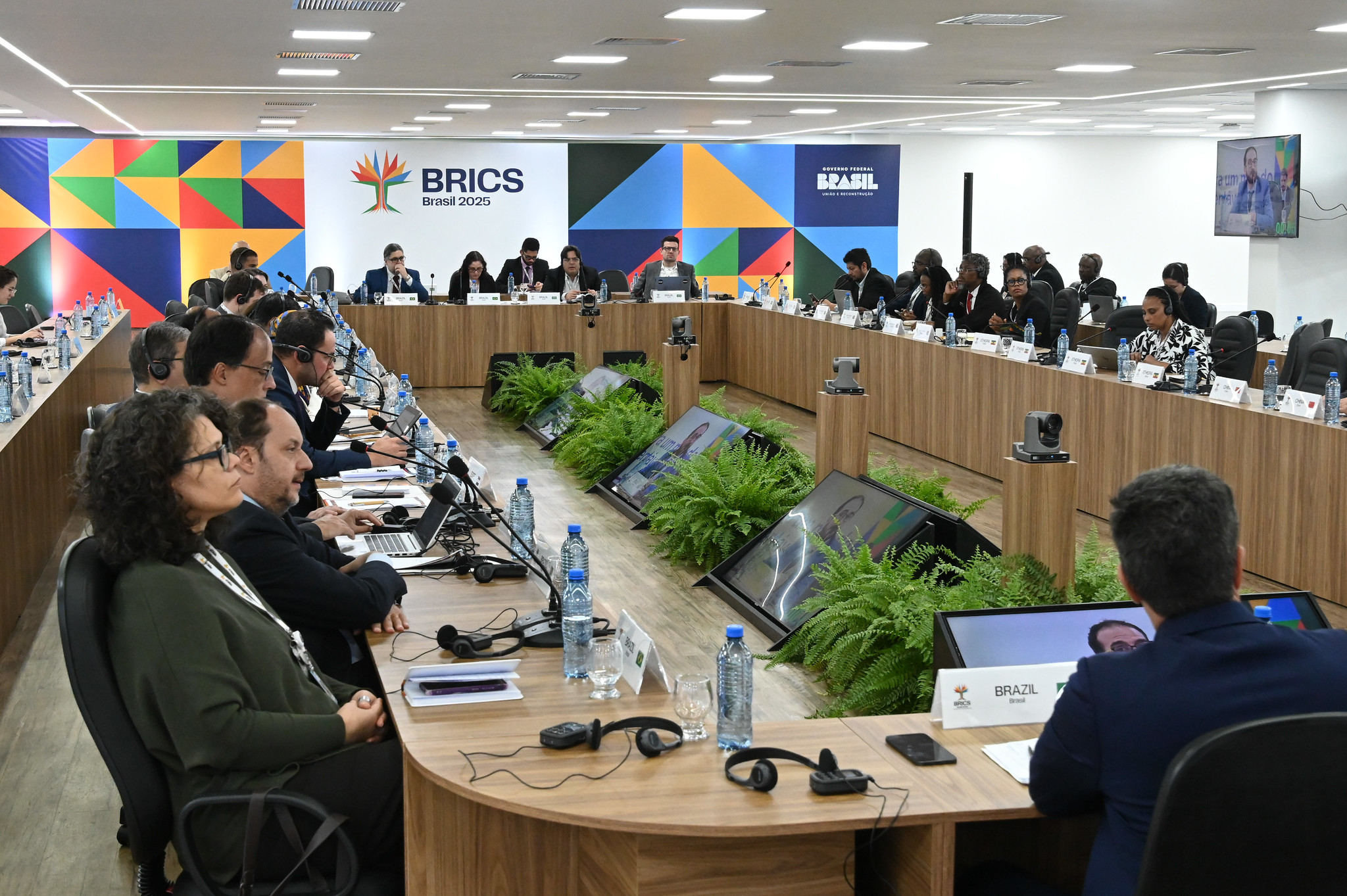
Igor Makarov, Head of the School of World Economy, Director of the Laboratory for Economics of Climate Change at the HSE Faculty of World Economy and International Affairs, and expert of the BRICS Expert Council–Russia, spoke during the session on climate change, emphasising the need for BRICS to formulate its own agenda in the run-up to the COP-30 climate conference in Belém. He highlighted the fact that current green transition models largely reflect the interests of developed countries and fail to take into account the realities of developing economies.
‘There is a lot of discussion today about the ‘just transition,’ yet universal solutions continue to be imposed without considering the actual circumstances in Global South countries. BRICS can offer an alternative approach based on technological neutrality, balancing mitigation and adaptation efforts, and respecting national specificities. It is crucial not to merely repeat long-term targets, but to move towards shaping a new consensus that reflects the genuine interests of the majority of countries worldwide,’ Igor Makarov stated.
The speaker suggested launching a multilevel discussion on a new sustainable development agenda with the BRICS expert community as the foundation for a unified position at global forums, including the UN system.
As a result of the two-day session, the BRICS Academic Forum in Brasilia has developed expert recommendations, which will be forwarded through the Sherpa channels to the leaders of the BRICS countries before the upcoming summit. These recommendations cover a range of key areas, including the development of a fair global governance architecture, coordination on climate change initiatives, digital transformation, and strengthening the institutional capacity of BRICS.
See also:

Scientists Discover That the Brain Responds to Others’ Actions as if They Were Its Own
When we watch someone move their finger, our brain doesn’t remain passive. Research conducted by scientists from HSE University and Lausanne University Hospital shows that observing movement activates the motor cortex as if we were performing the action ourselves—while simultaneously ‘silencing’ unnecessary muscles. The findings were published in Scientific Reports.
Russian Scientists Investigate Age-Related Differences in Brain Damage Volume Following Childhood Stroke
A team of Russian scientists and clinicians, including Sofya Kulikova from HSE University in Perm, compared the extent and characteristics of brain damage in children who experienced a stroke either within the first four weeks of life or before the age of two. The researchers found that the younger the child, the more extensive the brain damage—particularly in the frontal and parietal lobes, which are responsible for movement, language, and thinking. The study, published in Neuroscience and Behavioral Physiology, provides insights into how age can influence the nature and extent of brain lesions and lays the groundwork for developing personalised rehabilitation programmes for children who experience a stroke early in life.
Scientists Test Asymmetry Between Matter and Antimatter
An international team, including scientists from HSE University, has collected and analysed data from dozens of experiments on charm mixing—the process in which an unstable charm meson oscillates between its particle and antiparticle states. These oscillations were observed only four times per thousand decays, fully consistent with the predictions of the Standard Model. This indicates that no signs of new physics have yet been detected in these processes, and if unknown particles do exist, they are likely too heavy to be observed with current equipment. The paper has been published in Physical Review D.
HSE Scientists Reveal What Drives Public Trust in Science
Researchers at HSE ISSEK have analysed the level of trust in scientific knowledge in Russian society and the factors shaping attitudes and perceptions. It was found that trust in science depends more on everyday experience, social expectations, and the perceived promises of science than on objective knowledge. The article has been published in Universe of Russia.
Institute for Robotics Systems Established at HSE University
As decided by the HSE University Academic Council, a new Institute for Robotics Systems will be established at HSE, and with a strong fundamental base. It will cooperate with relevant departments across the university and engage students and doctoral candidates in research and development (R&D). First Vice Rector of HSE University and Director of the Institute for Statistical Studies and Economics of Knowledge, Leonid Gokhberg, discussed the expected practical results and the framework for cooperation with an industrial partner.
HSE Seeks New Ideas for AI Agents: Initiative Competition Launched
HSE University is inviting researchers and lecturers to present concepts for new digital products based on artificial intelligence. The best projects will receive expert and technological support. Applications are open until December 19, 2025.
From Mexico to Buenos Aires: HSE University–St Petersburg Enhances Cooperation with Leading Universities in Latin America
New mobility programmes, academic exchanges, and unexpected collaborations—these are the results of the HSE University–St Petersburg delegation's mission to Latin America. Read on to find out about the key agreements made.
IDLab: Fascinating Research, Tough Deadlines, and Academic Drive
The International Laboratory of Intangible-driven Economy (IDLab) was established at the HSE campus in Perm 11 years ago. Its expertise in data processing and analysis allows researchers to combine fundamental studies with applied projects, including the development of risk and cybersecurity models for Sber. The head of the laboratory, Professor Petr Parshakov, and Senior Research Fellow Professor Mariya Molodchik spoke to the HSE News Service about IDLab’s work.
HSE Lecturers Awarded Yandex ML Prize 2025
The Yandex ML Prize is awarded to lecturers and heads of educational programmes who contribute to the development of artificial intelligence in Russia. This year, 10 laureates were selected from 300 applicants, including three members of the HSE Faculty of Computer Science (FCS). A special Hall of Fame award was also presented for contributions to the establishment of machine learning as an academic field. One of the recipients was Dmitry Vetrov, Research Professor at the HSE FCS.
HSE Tops Ranking of Universities Participating in Priority 2030 Programme
The Russian Ministry of Science and Higher Education has published an updated list of participants in the Priority 2030 programme. A total of 106 universities will receive support this year. HSE University was included in the first group and topped the ranking.